
tevan Jovetic should have been a Ballon d'Or contender by now. Instead, he's a reminder of how fragile greatness can be. I first saw him live in 2011, a lanky teenager in a Partizan Belgrade shirt, gliding past defenders as if the pitch were tilted in his favor. That night, he scored twice and assisted another。and the stadium announcer kept repeating his name with a reverence usually reserved for veterans. Jovetic was 17. The raw talent was undeniable—a left foot that could thread needles, a burst of acceleration that left midfielders grasping air, and a striker's instinct that felt almost precognitive. Yet a decade later, his career reads like a series of near-misses.Injuries, not defenders, proved his toughest opponent. A cruciate ligament tear in 2010, a hamstring issue that lingered for months at Manchester City。a calf problem that derailed his Sevilla loan—each setback chipped away at the explosive first step that made him special. I remember watching him in a Fiorentina shirt in 2013, scoring a hat-trick against Juventus, and thinking he'd finally arrived. That performance was a masterclass in movement: three goals, each from a different angle, each executed with a calm that belied his 23 years. But the following season, he managed just 13 league starts. The pattern became predictable—brilliant cameos followed by weeks in the treatment room. Jovetic's body simply couldn't sustain the intensity his game demanded.His moves tell a similar story of promise interrupted. Fiorentina to Manchester City for £22 million in 2013 felt like a step up, but he was never more than a rotation option under Manuel Pellegrini. Then Inter Milan, where he showed flashes of the old magic—a derby winner, a clever assist—before fading into obscurity. Sevilla was supposed to be a revival;instead, he played 21 league games and scored six. Monaco, his current club。
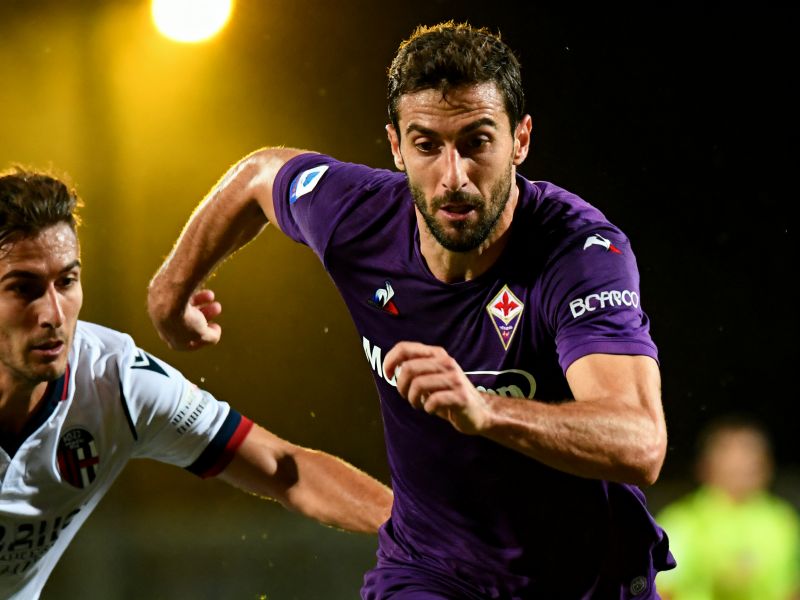
offers a gentler pace, and at 34, Jovetic has adapted. He's no longer the player who dribbles past three men;now he's a link-up forward, using his intelligence and touch to bring others into play. It's a pragmatic evolution, but it's hard not to feel a pang of what-ifs.What strikes me most about Jovetic's career is the contrast between his technical quality and his physical fragility. In an era obsessed with data and athleticism, he remains a classic No. 10 in a striker's body—a player who thrives on intuition rather than sprints. Watch him closely and you'll see the small things: the way he shields the ball with his back to goal, the disguised pass that splits a defense, the perfectly timed run into the channel. These are the hallmarks of a player who understands the game deeply. Yet the modern game demands durability。
and Jovetic's injury record—over 30 separate absences—has made him a luxury few managers can rely on.Maybe that's why his story resonates. Jovetic represents the road not taken, the talent that flickered rather than blazed. He's not a cautionary tale about wasted potential—he's won league titles, played in World Cups, earned respect from teammates and opponents alike. But for those of us who saw him at 17, there's a lingering sense of unfinished business. He'll go down as one of the most gifted players of his generation, yet also one of the most frustrating. And in a sport that celebrates longevity, Jovetic's legacy might just be a reminder that brilliance。however fleeting, is still worth cherishing.